Writing from Terminal 3 at Dubai International Airport after 78 days of conflict, the overriding feeling is not only sadness at leaving, but the uneasy recognition that the war may yet intensify again. In such moments, headlines tend to follow missiles, markets and military strategy. But on the ground, another story takes shape: the quiet endurance of the people who keep cities functioning, businesses open and communities steady when fear is never far away.
For employers across the hospitality sector and beyond, war does not remain an abstract geopolitical event. It quickly becomes a human test of judgment. Leaders are forced into painful decisions about payroll, staffing and survival. General managers, department heads and business owners must weigh compassion against commercial reality, often knowing that a single decision can alter a family’s future. In periods of instability, leadership is measured less by rhetoric than by the burden of choices made under pressure.
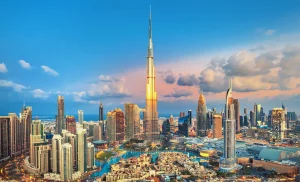
Dubai, even at night, can feel suspended between calm and consequence. The city sleeps, yet its energy remains charged, as if waiting for the next shockwave. Above the skyline, drones and missiles have become part of the psychological landscape, intercepted by the UAE’s air defence systems with speed and efficiency. And still, daily life continues. That continuity matters. It reflects a national character built on inclusion, multicultural coexistence, respect and tolerance—values that are tested most severely when the surrounding region is under strain.
The suffering caused by war across the Gulf should not be reduced to fuel prices or shipping routes alone. The financial distress is real, but the emotional toll is deeper. Jobs disappear. Families who worked for years to build stability find themselves exposed to uncertainty almost overnight. Behind every economic statistic is a private reckoning: rent, school fees, dependants, interrupted plans and lives placed on hold by forces far beyond individual control.
The tragedy also invites a harsher reflection on the modern world. For all our claims of progress, technological sophistication and global interconnection, humanity still shows a devastating talent for division and destruction. The region’s anxiety is not isolated; it echoes across continents. Events in the Gulf quickly reveal how closely the world is bound together—through trade, energy, migration, security and shared vulnerability. What happens here is never only regional.
And yet, amid fear and disruption, something unmistakable emerges: solidarity. Those who remained, supported one another and kept going through weeks of uncertainty represent a different kind of influence. Not the influence measured by visibility, followers or spectacle, but the influence that sustains morale, protects dignity and reinforces social trust.
In times like these, the UAE’s TRUE INFLUENCERS are the people who stay resilient, uphold community and defend the everyday values that allow society to endure. They are the colleagues, neighbours and frontline professionals who prove that composure, loyalty and mutual support are the strongest forms of collective leadership!!